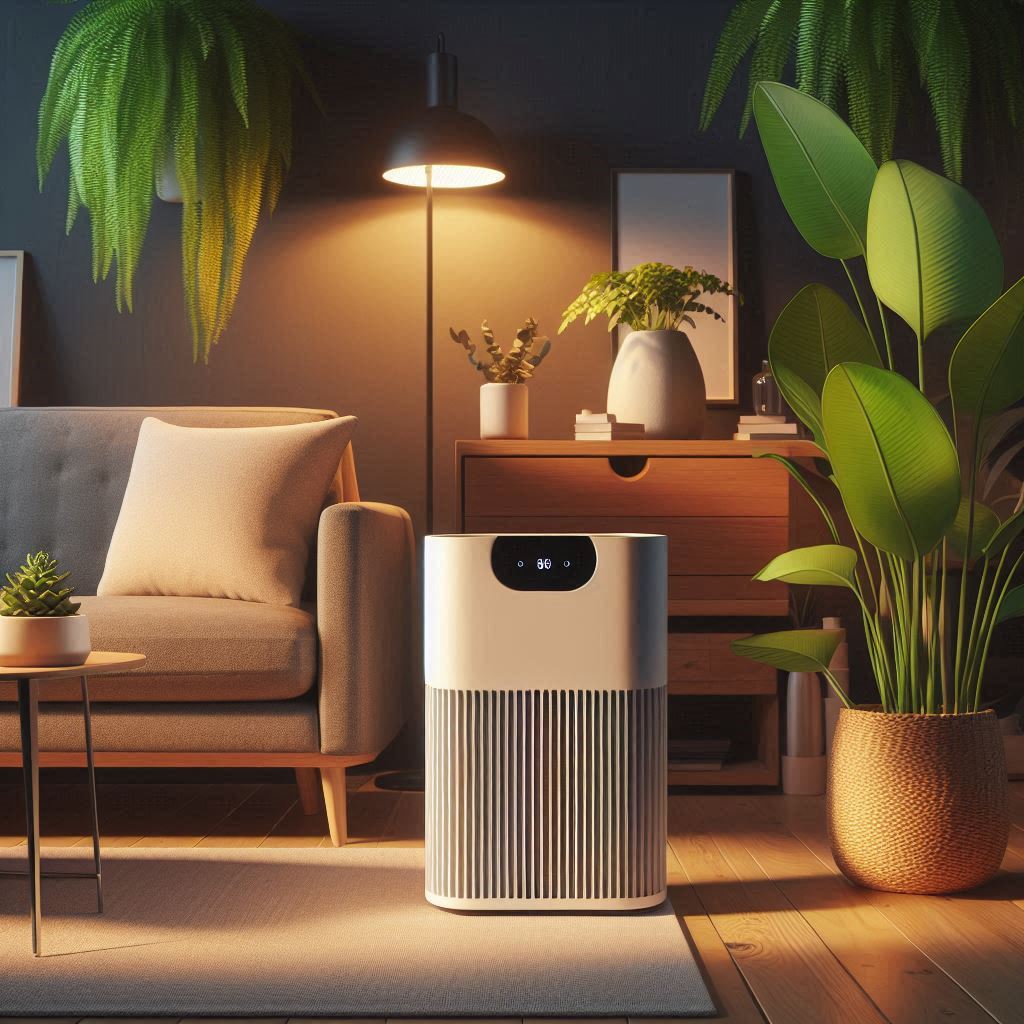
When it comes to air purifiers, Blueair and Dyson are two titans in the industry. Both brands have carved out reputations as leaders in clean air technology—but they do so in markedly different ways. As someone who has spent years immersed in the world of air purification, I’ve come to appreciate the nuances that set these brands apart. Today, I want to take you on a journey through my experiences with both companies, offering an expert-level analysis of their philosophies, technologies, strengths, weaknesses, and everything else you need to know before making a decision.
This isn’t just another comparison article; this is a deep dive into what makes each brand tick—and why one might be better suited for your needs than the other. So grab a cup of coffee (or tea, if that’s your thing), sit back, and let me guide you through this intricate landscape.
The Importance of Choosing the Right Air Purifier
Before we jump into the specifics of Blueair and Dyson, let’s talk about why choosing the right air purifier matters. Indoor air quality is often overlooked, yet studies show that indoor air can be up to five times more polluted than outdoor air. Pollutants like dust mites, mold spores, volatile organic compounds (VOCs), and even viruses linger in our homes, silently affecting our health.
For me, this issue hits close to home. Growing up, I suffered from chronic allergies and asthma, which made finding the perfect air purifier a necessity rather than a luxury. Over time, I’ve tested dozens of models across various price points, but none have resonated with me quite like Blueair and Dyson. These brands represent two ends of the spectrum: Blueair focuses on performance-driven filtration, while Dyson leans toward design-forward innovation. Let’s unpack what that means.
Understanding the Brands: A Philosophical Perspective
Blueair – The Science-Driven Specialist
If I were to describe Blueair in one word, it would be “precision.” Founded in Stockholm, Sweden, in 1996, Blueair was born out of a desire to create high-performance air purifiers that could tackle real-world problems. Their mission? To provide hospital-grade air quality to everyday households.
What sets Blueair apart is its relentless focus on filtration efficiency. They don’t just aim to reduce pollutants—they strive to eliminate them entirely. This philosophy is embodied in their proprietary HEPASilent™ technology, which combines mechanical filtration (like traditional HEPA filters) with electrostatic charging. The result? A filter capable of capturing 99.97% of particles as small as 0.1 microns—smaller than most bacteria and viruses.
From my experience, Blueair units excel in environments where air quality is paramount. Whether you live in a bustling city plagued by smog or suffer from severe allergies, Blueair delivers consistent results. However, their utilitarian design may not appeal to those seeking a statement piece for their living room.
Key Strengths of Blueair:
- Exceptional filtration efficiency
- Quiet operation, ideal for bedrooms and offices
- Cost-effective replacement filters
- Proven track record in allergy relief
Potential Drawbacks:
- Minimalist design lacks visual flair
- Limited smart features compared to competitors
- Some models require manual adjustments
Dyson – The Tech-Savvy Innovator
Now, let’s shift gears to Dyson. If Blueair is the scientist in a lab coat, Dyson is the visionary entrepreneur reimagining how we interact with everyday objects. Founded by James Dyson in 1991, the company has become synonymous with cutting-edge design and engineering. While Dyson offers a wide range of products—from vacuum cleaners to hair dryers—their air purifiers stand out for their futuristic aesthetics and advanced tech integrations.
Dyson’s approach to air purification revolves around smart functionality and multi-purpose utility. Take the Dyson Pure Cool TP04, for example. Not only does it purify the air, but it also functions as a fan—a feature that’s particularly appealing in warmer climates. Add to that real-time air quality monitoring via an intuitive LCD screen and seamless app connectivity, and you’ve got a device that feels like it belongs in a sci-fi movie.
But here’s the rub: Dyson’s emphasis on design and technology sometimes comes at the expense of raw filtration power. While their 360-degree glass HEPA filter is impressive, it doesn’t match the sheer efficiency of Blueair’s HEPASilent™ system. That said, Dyson compensates with user-friendly features and a sleek form factor that blends effortlessly into modern interiors.
Key Strengths of Dyson:
- Dual functionality as an air purifier and fan
- Real-time air quality monitoring with visual feedback
- App integration for remote control and scheduling
- Modern, minimalist design
Potential Drawbacks:
- Higher price point relative to performance
- Limited effectiveness in large spaces
- Replacement filters can be expensive
- Fan noise may disturb light sleepers
Comparative Analysis: Breaking Down the Details
To truly understand the differences between Blueair and Dyson, we need to examine several key factors: filtration technology, coverage area, noise levels, smart features, and overall value proposition. Let’s explore each category in detail.
Filtration Technology
Blueair’s HEPASilent™ Technology
Blueair’s HEPASilent™ technology is nothing short of revolutionary. By combining mechanical and electrostatic filtration, it achieves unparalleled efficiency without compromising airflow. This dual-action system ensures that even the tiniest particles—like pollen, pet dander, and smoke—are trapped within the filter.
During wildfire season last year, I relied heavily on my Blueair Classic 480i. Within minutes of turning it on, the thick haze of smoke dissipated, leaving behind crisp, breathable air. It’s moments like these that make me appreciate the science behind Blueair’s innovations.
Dyson’s 360-Degree Glass HEPA Filter
Dyson takes a slightly different approach with its 360-degree glass HEPA filter. Designed to capture allergens and pollutants from all directions, this filter boasts impressive surface area coverage. Additionally, Dyson incorporates activated carbon layers to neutralize odors and VOCs.
While effective, I found that Dyson’s filtration system struggles in larger rooms. For instance, when I placed my Dyson Pure Cool TP04 in my open-concept living room, it took significantly longer to clear the air compared to my Blueair unit.
Coverage Area
One of the most critical considerations when choosing an air purifier is its coverage area. Here’s how Blueair and Dyson stack up:
- Blueair: Models like the Blueair Classic 480i cover up to 620 square feet, making them ideal for large spaces such as living rooms or open-plan apartments.
- Dyson: Most Dyson units, including the Pure Cool TP04, are optimized for smaller areas (up to 400 square feet). While adequate for bedrooms or offices, they may fall short in expansive settings.
Noise Levels
Noise is another crucial factor, especially if you plan to use your air purifier in a bedroom or nursery.
- Blueair: Known for its whisper-quiet operation, Blueair units operate at barely audible decibel levels in low modes. Even on higher settings, the sound remains unobtrusive.
- Dyson: While quieter than many fans, Dyson’s fan-like mechanism produces noticeable noise in turbo mode. Light sleepers may find this distracting.
Smart Features
In today’s connected world, smart features play a significant role in consumer preferences.
- Blueair: Offers basic smart capabilities, such as auto mode and timer settings. However, advanced features like app integration are limited to select models.
- Dyson: Excels in this department with real-time air quality monitoring, customizable schedules, and remote control via the Dyson Link app.
Value Proposition
Finally, let’s address cost versus value.
| Feature | Blueair | Dyson |
|---|---|---|
| Price Range | $200-$600 | $400-$800 |
| Filter Replacement Cost | Affordable (~$50-$70 annually) | Expensive (~$80-$100 annually) |
| Long-Term Durability | Highly durable | Moderately durable |
Final Verdict: Who Should Choose What?
After extensive testing and analysis, here’s my recommendation:
- Choose Blueair if:
- You prioritize filtration efficiency above all else.
- You need a solution for large spaces or multiple rooms.
- You’re looking for a cost-effective, long-term investment.
- Choose Dyson if:
- You value smart features and modern design.
- You need a compact, multi-functional device for smaller spaces.
- You’re willing to pay a premium for convenience and aesthetics.
Personally, I believe there’s room for both brands in my life. My Blueair unit handles heavy-duty filtration in my bedroom, while my Dyson serves as a stylish centerpiece in my living room. Ultimately, the choice depends on your unique needs and priorities.
Closing Thoughts
Blueair and Dyson aren’t just competing brands—they’re representatives of two distinct philosophies. Blueair champions the art of filtration, delivering pure, breathable air with surgical precision. Dyson, meanwhile, embraces the future, blending smart technology with elegant design.
As an expert in this field, I encourage you to weigh your options carefully. Consider your budget, space requirements, and lifestyle before committing to either brand. And remember, investing in an air purifier isn’t just about improving air quality—it’s about enhancing your overall well-being.
So, dear reader, which path will you choose? Will you side with the stalwart specialist or the innovative trendsetter? Share your thoughts—I’d love to hear them!